

Semaglutide
GLP-1 Receptor AgonistPhysician-guided weight management
Semaglutide is a GLP-1 receptor agonist. It mimics one of the hormones your gut releases after a meal, so food moves through your stomach more slowly and hunger signals quiet down. One pathway, well studied, and the most common starting point for medical weight loss at Zevara.

Physician-guided weight management
What it can do
- Your Dose, One Price: flat monthly rate, no hidden fees regardless of dosage adjustments.
What to watch for
- Nausea
- Vomiting
- Diarrhea
- Hypoglycemia risk
- Thyroid tumor risk (rodent studies)
- Not for pancreatitis history
Questions about Semaglutide.
Semaglutide or Tirzepatide, what is the difference?
Semaglutide acts on one hormone pathway: it is a GLP-1 receptor agonist, which slows how fast your stomach empties and turns down appetite signals. Tirzepatide acts on two: GLP-1 and GIP. That second receptor adds another route for appetite and blood sugar control, and in studies it tends to produce greater average weight loss. Two pathways is not automatically the right answer for everyone. Your physician weighs your labs, your history, how you tolerate side effects, and cost, then recommends the one that fits, and can switch you later if it makes sense.
What Are GLP-1 medications?
GLP-1 medications are a class of prescription drugs that not only improves blood sugar control but may also lead to weight loss. This class of drugs is commonly called glucagon-like peptide 1 (GLP-1) agonists. Weight loss can vary, depending on which GLP-1 drug you use and the dosage. Some of the more common side effects include: Nausea, Vomiting, Diarrhea. Side effects can often be mitigated by correctly titrating your dosage upward, so you'll want to ensure that you are taking the medication exactly as prescribed by your provider to minimize risk and/or severity of side effects. Anti-nausea medications such as ondansetron (generic Zofran) are also helpful to assist in mitigating nausea. Low blood sugar levels (hypoglycemia) are a more serious risk linked to the GLP-1 class of drugs. But the risk of low blood sugar levels often only goes up if you're also taking another drug known to lower blood sugar at the same time, such as sulfonylureas or insulin. The GLP-1 class of drugs isn't recommended if you have a personal or family history of medullary thyroid cancer or multiple endocrine neoplasia. Lab studies have linked these drugs with thyroid tumors in rats. But until more long-term studies are done, the risk to humans isn't known. The GLP-1 class of drugs is also not recommended if you've had pancreatitis.
How to take GLP-1 medications?
It is important to follow the prescribed doses and directions from your provider accurately in order to minimize risk and/or severity of potential side effects. If you have any questions regarding how to properly take your medication once you receive it, please reach out to us before taking for proper guidance from a licensed medication professional. Taking doses other than what is prescribed by your provider may have unintended and potentially dangerous side effects.
What should I do if I miss a dosage?
If you miss a dosage on your day of the week, please reach out to us before continuing your dosage. You may need to lessen your dosage for your next dose in order to minimize risk and/or severity of potential side effects.
How should I store GLP-1 medications?
These medications should be stored in the refrigerator between doses. GLP-1 medications are sensitive to temperature and could degrade if not stored properly.
When should I take my dose of GLP-1 medication?
You can take GLP-1 medications at any time during the day, without regard to meals. If your dosage is prescribed to take weekly, you should take your dose on the same day each week.
Can I take a dosage that I've already been on if I'm switching to you from another doctor?
Please discuss your previous prescription and dosage with your provider during your medical intake process when enrolling and if medically appropriate, your provider will coordinate your dosage accordingly.
More in Zevara Metabolic
View all →
Tirzepatide
Dual GIP + GLP-1 Receptor AgonistPhysician-guided weight management

Semaglutide Oral Tablets
GLP-1 Receptor AgonistDaily oral GLP-1 tablet, no injections
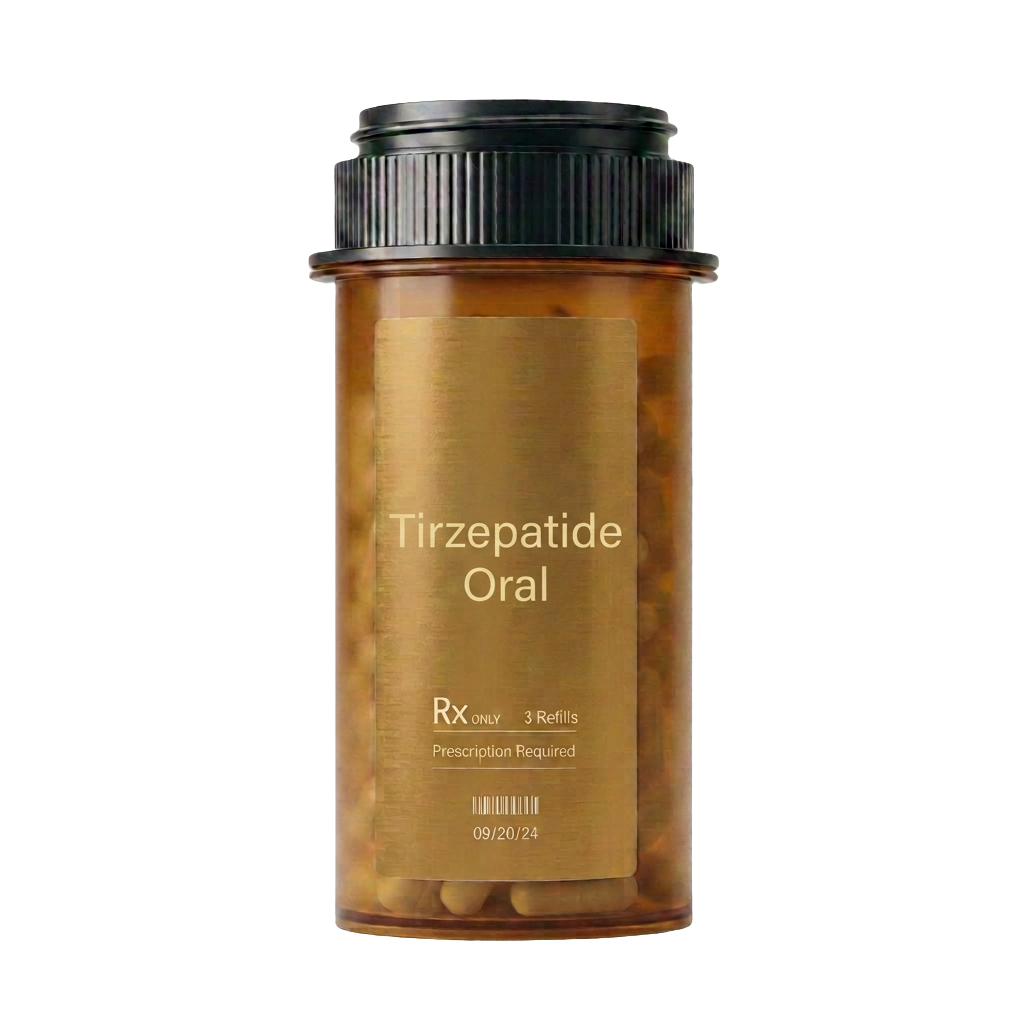
Tirzepatide Oral Tablets
Dual GIP + GLP-1 Receptor AgonistDaily oral dual-pathway tablet, no injections

Metformin
Metabolic support for healthy aging